

Urban Legends: True or False
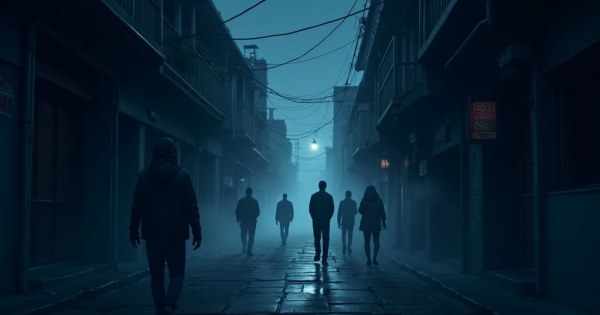
About this Quiz
Every culture has its whispered warnings. The tales passed down at summer camps, retold at sleepovers, and forwarded in chain emails that refused to die. Some of these stories are complete fabrications. Others are unsettlingly close to the truth. And a surprising number began with a real event before ballooning into something far stranger.

Urban legends thrive because they tap into something primal. Fear of the dark. Distrust of strangers. The nagging suspicion that the world is more dangerous than it looks. But the fascinating part is how these stories evolve, mutating slightly with each retelling until the original kernel is buried under decades of embellishment.
Consider how folklore travels. The tale of a vengeful ghost hitching a ride has been documented in dozens of countries, from Hawaii to South Korea, each version adapted to local roads and local fears. Stories do not respect borders.


Then there is the matter of accidental truth. Coca-Cola's early recipe was genuinely eyebrow-raising by modern standards. And the "seven years" figure attached to swallowed gum? Pure invention, though the anxiety behind it is very real for anyone who has ever gulped down a piece by mistake.
History muddies things further. Take the widespread belief that a certain French military leader was remarkably tiny. The truth involves a measurement mix-up between French and English inches, plus some very effective enemy propaganda. Reputations, it turns out, are as fragile as facts.
Science has debunked plenty of these myths, yet they persist anyway. The idea that bulls charge at the color red survives despite cattle being unable to distinguish it. The claim about humans using a fraction of their brainpower has been thoroughly dismantled by neurologists, and still it appears in self-help books and movie plots alike.

Why do these legends have such staying power? Perhaps because a good story beats a boring fact every time. Perhaps because separating the real from the imagined is genuinely difficult when both feel equally plausible.
Sorting truth from tall tale requires a sharp eye and a healthy dose of skepticism. Some of these entries are pure fiction. Others actually happened. Time to find out which is which.
Advertisement