
You're playing 12 moves ahead of everyone else.
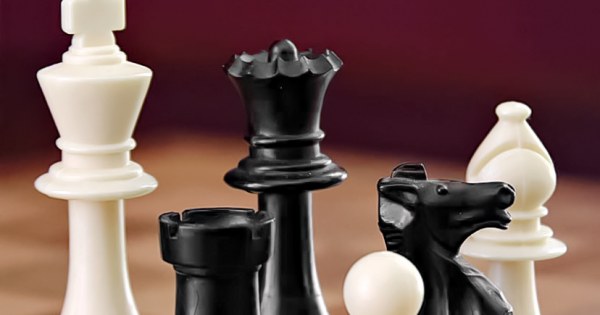
Oh, so you got Chess. Interesting. Very on-brand for someone who's already mentally three steps ahead of everyone else in the room and absolutely knows it.
You're strategic, deliberate, and you do not make moves without thinking them through first. Spontaneous road trip? Sure, right after you've mapped the route, checked the weather, and assessed the risk-to-fun ratio. You're not boring, you're just playing a longer game than everyone else, and honestly? It usually pays off.
You have layers: a quiet exterior with a whole lot going on underneath. People sometimes mistake your patience for passivity, which is their problem, because you're sitting there running calculations they don't even know are happening. You tend to attract two types: people who find you fascinating and people who find you slightly intimidating. You're fine with both.
The downside, since we're being honest here, is that you can overthink a perfectly simple situation into a crisis, and you're not always thrilled when life refuses to follow your very reasonable game plan. Also, you have been known to hold a grudge like it's a precious heirloom.
Classic. Timeless. A little intense at parties. Chess suits you perfectly.
Things We Learned About You From Your Answers
In Relationships
You commit slowly and rarely, but once someone earns your trust, you're fiercely loyal. The problem: you analyze conversations like positions, weighing responses instead of reacting honestly. Partners sometimes feel like projects rather than people. You struggle to be vulnerable first, waiting for others to move before you reveal anything real. Small talk drains you fast.
At Work
You excel in roles demanding foresight: strategy, systems design, financial planning, chess-adjacent fields where slow correctness beats fast noise. You dominate long projects with clear endgames. But you freeze in chaotic startups needing quick pivots, and you'll re-check a decision five times past the point of usefulness. Delegating pains you because nobody executes to your standard.
Tidbit
Garry Kasparov, world chess champion, spent hours preparing opening lines before matches and calculated moves far ahead of opponents. After losing to Deep Blue in 1997, he pivoted to studying AI and political strategy, applying the same deliberate, long-game thinking.